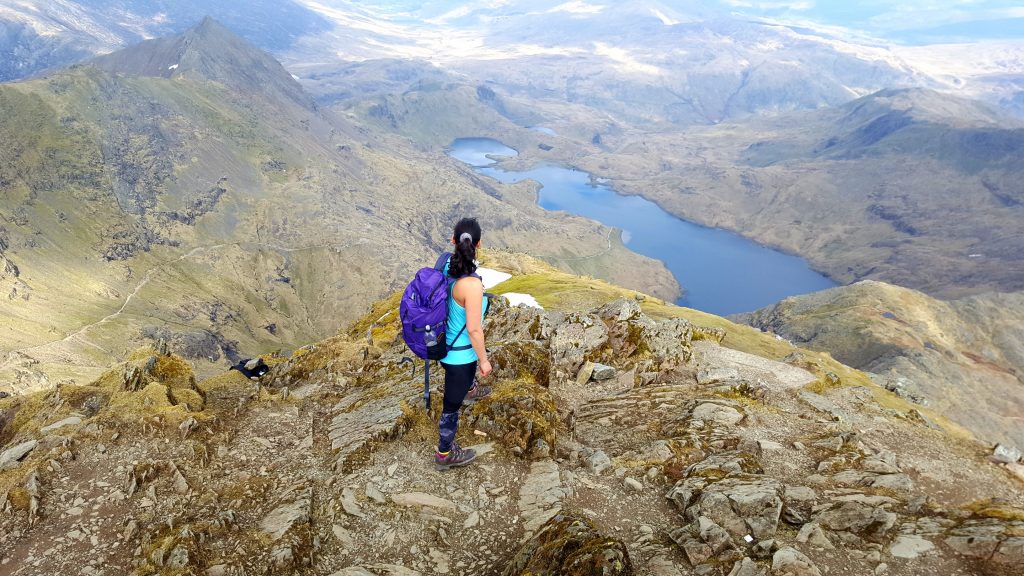
It takes much more than just passion and a decent pair of walking boots to complete three strenuous mountain ascents in a short amount of time. It requires mental fortitude, physical strength, cardiovascular endurance, and the capacity to continue moving even when exhaustion sets in. Whether you struggle through the experience or approach each climb with confidence, a well-structured training regimen may make all the difference.
Therefore, preparation for the 3 Peaks Challenge UK should start well in advance of the actual event. Training should progressively prepare the complete body for repeated climbs, descents, changing terrain, and prolonged durations of physical exertion rather than concentrating just on walking great distances.
Develop A Robust Cardiovascular Foundation
One of the pillars of mountain endurance is cardiovascular fitness. The heart and lungs must function well for extended periods of time during long ascents, and as the difficulty increases, recuperation in between taxing parts becomes more crucial.
Cardiovascular conditioning may be enhanced by running, cycling, swimming, stair climbing, and brisk walking. Instead of abruptly becoming harder, training sessions should progressively become longer. It’s more beneficial to be consistent than to sometimes do strenuous exercises.
It might also be beneficial to include some interval training. The body learns to adjust to varying levels of exertion by alternating between periods of increased intensity and easier recuperation, just as slopes grow steeper or easier throughout a climb.
Build Up The Important Muscles
Mountain difficulties put a lot of strain on the legs, especially the glutes, hamstrings, quadriceps, and calves. Because it promotes stability and posture on uneven terrain, core strength is equally crucial.
Strength training should be combined with cardiovascular workouts for anybody preparing for Climbing Ben Nevis as part of a larger endurance challenge. The strength needed for prolonged climbing may be developed with the aid of squats, lunges, step-ups, calf raises, and controlled core workouts.
Attention should also be paid to descending. Repeatedly walking downhill puts different strain on the joints and muscles than walking upward. The body may be better prepared for repeated descents with controlled workouts that strengthen the legs throughout their whole range of motion.
Include Walking In Your Training
A person cannot adequately prepare for hours of mountain trekking with only gym training. Because it prepares the body, legs, and feet for extended exercise, regular walking should be a major component of the training regimen.
Increase the length of training walks gradually, starting with modest distances. Introduce more difficult terrain and steeper grades as fitness increases. Walking back-to-back days may be very beneficial since they educate the body how to function with some exhaustion from the prior exercise.
Another helpful tactic is to train using the backpack and challenge-specific gear. This enables you to get used to the extra weight and spot any equipment issues before the event.
Get Ready For Frequent Physical Activity
Completing more than one climb is one of the most difficult tasks. After that, the body needs to recuperate enough to go on another strenuous ascent. This recurring demand should be reflected in training.
In order to replicate the challenges of resuming physical activity before feeling fully rejuvenated, endurance training may be paired with shorter recuperation times while preparing for Climbing Scafell Pike. This does not entail exhausting the body throughout each session. Rather, the objective is to progressively enhance its capacity to recuperate and go on with its performance.
Training for recovery is equally crucial. While getting enough sleep promotes both mental and physical performance, rest days allow muscles to heal.
Practice Hydration And Fuelling
A steady supply of energy is necessary for prolonged endurance exercises. Training sessions provide you with the chance to learn what meals and beverages are comfortable to consume while working out.
Practise eating tiny portions throughout longer walks instead of trying it out on challenge day. Select meals that are simple to transport, digest, and eat when on the go. Throughout training, staying hydrated should also become second nature.
By knowing when to eat and drink, you may avoid experiencing a sudden loss in energy throughout extended periods of exercise.
Arrive Prepared, Not Exhausted
Training should become more difficult, but the last few days before the event should give the body time to recuperate. Muscles may be relaxed without losing fitness by lowering training volume while still engaging in mild exercise.
Gradual growth, as opposed to last-minute intensity, is the foundation of successful mountain endurance training. Participants may face the challenge with more confidence if they improve their cardiovascular fitness, leg strength, walking endurance, recuperation practices, fuelling techniques, and mental resilience. The objective is to develop the physical and mental capability required to perform consistently during the whole trip, not only to achieve each mountain.